Sustainable Flat Clearance Paddington: Eco-Friendly Waste Disposal Area
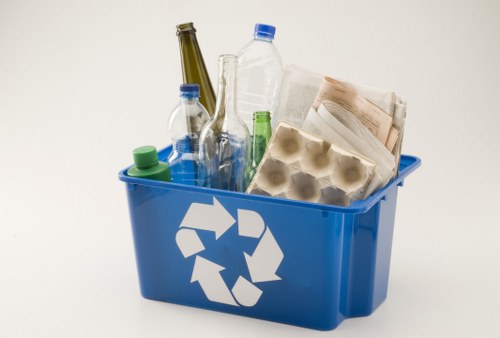 Flat Clearance Paddington delivers a clear promise: every removal is managed with the environment in mind. Our approach to eco-friendly waste disposal area practices means that whether you need a full flat clearance in Paddington or a light clear-out, we prioritise reuse and recycling above landfill. This page explains our sustainability commitments, recycling percentage target, local transfer stations we use, charity partnerships, and our low-carbon van fleet that reduce emissions during each job.
We work closely with the borough's waste separation systems — including Westminster Council's approach to segregating glass, cans, paper, mixed recycling and food waste — to ensure materials are correctly routed. By aligning our Paddington flat clearance operations with local kerbside rules and transfer station requirements, we streamline sorting and reduce contamination rates. That alignment boosts recovery rates and supports a genuine sustainable rubbish area for the community.
 Our target is measurable and ambitious: we aim for a 70% recycling and reuse rate across all Paddington clearances within the next 24 months. This recycling percentage target covers diverted waste streams such as furniture, textiles, electricals, and construction waste from minor renovations. To achieve it we use rigorous on-site segregation, partner transfer facilities, and route materials to certified recyclers rather than landfill.
Local Transfer Stations and Responsible Disposal
We transfer separated waste to authorised local transfer stations that specialise in different material flows. These facilities accept bulky items, segregate inert construction debris, and forward electronics to e-waste processors. Our preferred transfer stations in the Paddington and Westminster area operate strict auditing and reporting, helping us trace the path of materials from collection to final recovery. Traceability is essential to verify that items counted toward our recycling percentage target are genuinely recycled or reused.
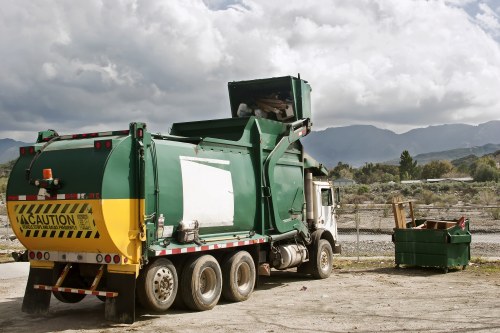 Paddington rubbish removal is more than hauling: it’s a logistics and materials management operation. On larger clearances we consolidate loads at transfer hubs, reducing the number of long-haul trips and increasing the proportion of items directed to reuse centres. This hub-and-spoke method keeps emissions low and ensures bulky household items are prioritised for refurbishment.
Below are the primary recycling activities we manage in the local area:
- Furniture salvage and refurbishment for reuse
- Textile collection and distribution to clothing recyclers
- E-waste segregation and secure data-safe disposal
- Hard materials (wood, metal, plaster) separated for processing
- Food waste routed to local anaerobic digestion where possible
Partnerships with Charities and Community Reuse
We maintain active partnerships with local and national charities that run social enterprises and furniture banks. By collaborating with organisations such as Emmaus and other community reuse projects in London, we ensure that serviceable beds, sofas, tables and wardrobes are offered to people in need rather than destroyed. These charity ties are a core part of our sustainable rubbish area strategy and contribute significantly to meeting our recycling percentage target.
 To support social value, items unsuited to immediate charity reuse are routed to upcycling workshops or community refurbishment projects. This intermediate step often converts goods into resaleable items, keeping materials in use and reducing demand for new production. Re-use is the highest form of recycling and our operations prioritise it ahead of material-level recycling wherever possible.
We also work with specialised textile and electronics recyclers to handle items that charities cannot accept. Secure electronics handling, including certified data-wiping for devices, allows safe processing without privacy risk. Such collaborations expand the range of materials recovered in Paddington clearance jobs.
Low-Carbon Vans and Emission Reduction — our fleet includes low-emission vans and vehicles selected for fuel efficiency and smaller carbon footprints. For inner-city jobs we use vehicles optimised for urban routes to limit idling and reduce congestion impacts. Combined with careful scheduling and consolidated runs to local transfer stations, these choices materially lower emissions compared to ad-hoc trips.
 We continuously monitor fuel use and emissions and are exploring hybrid and electric options as part of our long-term investment plan. Low-carbon vans are paired with training for crew on eco-driving techniques and efficient loading practices so every Paddington flat clearance benefits from lower fuel consumption and smarter routing.
In summary, our eco-focused Paddington flat clearance service is designed to create a genuinely sustainable rubbish area: we set measurable recycling percentage targets, use local transfer stations for responsible routing, partner with charities to maximise reuse, and operate low-carbon vans to reduce operational emissions. Choosing an environmentally responsible flat clearance contributes directly to a cleaner, greener Paddington.