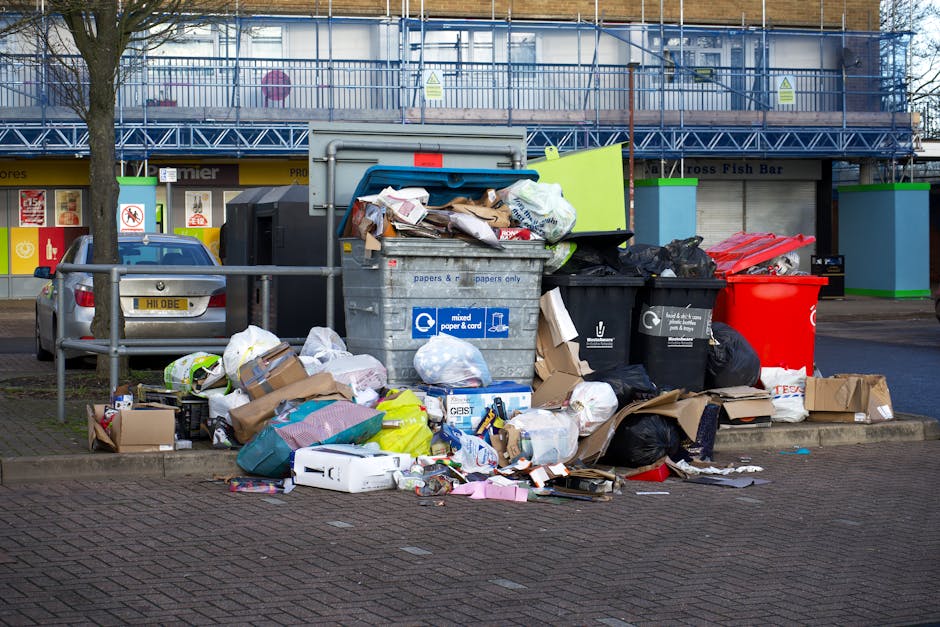
Praed Street flat rubbish clearance tips for quick results
If you need Praed Street flat rubbish clearance tips for quick results, you probably do not want a long theory lesson. You want the flat cleared, the hallways kept tidy, and the job done without a day disappearing into sorting, lifting, and second-guessing. Fair enough. In a busy Paddington setting, with stairs, tight landings, shared access and the usual awkward bits, quick results come from simple planning, good sorting, and the right disposal route.
This guide walks through the practical side of clearing flat rubbish fast: what to move first, how to avoid delays, what can be recycled, where people often go wrong, and when a professional flat clearance or broader waste removal service makes life much easier. If your place is part of a move, a tenancy end, a renovation, or just a long-overdue reset, you will find a clear path here. No fluff. Just the useful bits.
Table of Contents
- Why Praed Street flat rubbish clearance tips for quick results Matters
- How Praed Street flat rubbish clearance tips for quick results Works
- Key Benefits and Practical Advantages
- Who This Is For and When It Makes Sense
- Step-by-Step Guidance
- Expert Tips for Better Results
- Common Mistakes to Avoid
- Tools, Resources and Recommendations
- Law, Compliance, Standards, or Best Practice
- Options, Methods, or Comparison Table
- Case Study or Real-World Example
- Practical Checklist
- Conclusion
- Frequently Asked Questions
Why Praed Street flat rubbish clearance tips for quick results Matters
Flat rubbish clearance sounds straightforward until you are standing in front of three bin bags, a broken chair, an old microwave, and a hallway that is just narrow enough to make everything annoying. That is the reality in many Praed Street flats. Quick results matter because rubbish has a habit of spreading. One corner becomes two. Then the spare room becomes a storage room. Then you are dodging boxes every morning. Not ideal.
Speed matters for a few practical reasons. First, there is access. In flats, the longer bulky waste sits around, the more it blocks walkways, lifts, and shared areas. Second, there is timing. Maybe you are due to hand back the keys, get a room ready for letting, or start decorating before the weekend disappears. And third, there is momentum. Once the first load leaves the flat, the whole job feels lighter. You stop staring at the mess and start making progress. That feeling is real.
There is also a local angle worth keeping in mind. Praed Street sits in a part of London where access, parking, and building rules can all slow things down if you are not organised. Fast clearance is rarely about rushing. It is about removing friction. The less you carry out indecisively, the smoother the day goes.
Expert summary: The quickest flat clearances are usually the ones that are planned in zones, sorted before lifting starts, and matched to the right disposal method. It is simple, really, but people skip that bit all the time.
How Praed Street flat rubbish clearance tips for quick results Works
Good flat rubbish clearance is basically a small logistics exercise. You look at what needs to go, separate what can be reused or recycled, identify anything special like appliances or confidential paperwork, and then move the waste out in the safest, least disruptive way. The trick is to do the high-value tasks first. In plain English: remove the biggest blockers before you bother with the easy stuff.
For quick results, the process usually works best in three stages:
- Sort quickly but sensibly. Separate general rubbish, furniture, recyclables, and anything that needs special handling.
- Create a clear exit route. Keep hallways, doors, and stairwells open so the actual moving-out part is not a wrestling match.
- Load in the right order. Start with the bulkiest or heaviest items, then work through smaller bags and loose waste.
That approach saves time because you are not constantly stopping to rethink what belongs where. If you already know that a sofa is going out, a broken fridge is going to an appliance route, and the pile of paper needs shredding or secure handling, the job moves faster. You can also decide whether a mixed-load clearance is easier than doing multiple trips. In many flats, it usually is.
If your flat contains a lot of furniture, it can help to look at the dedicated furniture clearance and furniture disposal options. For bulky seating or sleep items, mattress and sofa disposal can be the neatest route. And if there are appliances involved, especially something heavy or awkward, fridge and appliance removal is often the safer, cleaner solution.
Key Benefits and Practical Advantages
Fast rubbish clearance is not just about speed for the sake of speed. Done well, it makes the rest of the week easier. You get space back, you reduce clutter stress, and you avoid that strange, draining feeling of having too many unfinished bits sitting in one room. To be fair, that feeling can wear you down more than the lifting itself.
- Less disruption: A short, focused clearance is easier on neighbours, flatmates, and building staff.
- More usable space: Empty floors and open corners make flats look and feel bigger straight away.
- Better safety: Clear walkways reduce trip hazards, especially when bags and boxes stack up near doors.
- Smoother moving days: If you are relocating, rubbish clearance is one of the quickest ways to reduce last-minute panic.
- Cleaner handovers: End-of-tenancy work is easier when the flat is cleared methodically rather than in a rush.
- More sensible disposal: Sorting items properly gives you a better chance to recycle what should not go to general waste.
There is another advantage people underestimate. A good clearance creates decision clarity. When a flat is cluttered, everything feels urgent. Once the obvious rubbish is gone, you can finally see what is left and decide whether to keep, donate, repair, or dispose. That tiny shift can make the whole job less emotional. Yes, even the cupboard full of forgotten chargers.
Who This Is For and When It Makes Sense
This approach suits anyone who needs a flat cleared quickly without turning it into a full-scale ordeal. You might be a tenant at the end of a lease, a landlord preparing a property, a homeowner tackling an overdue reset, or someone sorting a relative's flat and needing a calm, practical plan. It also makes sense if you have already tried the usual bits-and-pieces approach and realised it is slow, awkward, and not especially effective.
It is especially useful when:
- you need a room or whole flat cleared before an inspection or move
- you have bulky rubbish that will not fit into normal household bins
- you need help with furniture, white goods, or mixed waste
- you have limited time, limited lifting ability, or limited access
- the flat has items spread across several rooms, including loft or storage areas
If the job stretches beyond one room, consider whether you are really dealing with a flat clearance, a home clearance, or even a larger house clearance situation. In practice, the line can blur fast. One spare room filled with furniture, bags, and old storage boxes can feel bigger than it should, especially if it has been ignored for months. Happens all the time.
Step-by-Step Guidance
If you want quick results, keep the process simple. Overplanning can slow you down. Underplanning does too. The sweet spot is a clear sequence that gets the job moving.
1. Walk through the flat first
Start with a quick room-by-room scan. Do not lift anything yet. Just note what is there, what looks bulky, what may need two people, and what could be recycled. This only takes a few minutes, but it stops you from making random decisions later.
2. Separate the obvious categories
Make four rough piles: general rubbish, bulky furniture, reusable items, and special waste. You do not need to over-sort at this stage. The point is speed with enough structure to avoid confusion.
3. Clear walkways and door access
Move smaller bags, loose clutter, and obstacles away from exits first. This gives you a safe path for the larger items. In a flat, one blocked corridor can slow everything down more than you expect.
4. Deal with the awkward items early
Heavy furniture, awkward appliances, and large mattresses should usually come out first while everyone is still fresh. If you leave them until the end, the job feels longer and more tiring. And honestly, the last thing anyone wants at 5:30 pm is to wrestle a sofa through a doorway.
5. Bag and bundle small waste tightly
Keep loose rubbish in sturdy bags and tape up anything that could spill. Small items are annoying because they seem harmless until you have forty of them. Tight bundling also helps keep the flat tidy during the process.
6. Choose the disposal route before loading
Ask yourself whether the items are going for recycling, donation, specialist disposal, or mixed waste collection. If the flat includes electronics, broken seating, or appliances, this matters more than people think.
7. Finish with a final sweep
Once everything is out, check cupboards, behind doors, under beds, and in storage corners. It is amazing how often a single charger, a bag of screws, or a stray document turns up at the end. Annoying, but normal.
Expert Tips for Better Results
Here is where the quick-results part really starts to show. The fastest clearances are usually less about brute force and more about avoiding friction. Small adjustments, oddly enough, make a big difference.
- Use a "clear first, sort second" rule for easy items. If something is clearly rubbish, remove it now rather than standing there debating it for five minutes.
- Keep one box for "maybe" items. Do not let uncertain bits slow down the entire job. Put them aside and revisit later.
- Protect floors and corners. Hallways in flats can pick up scuffs quickly. A little care saves arguments and repair costs.
- Work in short bursts. Ten focused minutes can beat half an hour of distracted sorting.
- Book the right service for the right waste. A mixed load, appliance job, or bulky furniture move is often easier when matched to the correct clearance type.
- Ask about recycling and reuse. If items are in decent condition, they may be better separated instead of treated as general waste.
One small but useful habit: put the exit items nearest the door in the order they will leave. Sounds obvious, maybe too obvious. Yet it stops the strange pile-shuffling that can eat up time in a tight flat. You pick up the same chair twice, and somehow it still takes longer than expected. Human beings are funny like that.
If you are unsure what should be separated, it can help to read the guidance on what can go in a skip. Even if you are not hiring a skip, the sorting logic is still useful. For broader sustainability-minded disposal, the site's recycling and sustainability information is also worth a look.
Common Mistakes to Avoid
The fastest way to make flat rubbish clearance slow is to make it overly complicated. Most delays come from a few repeat errors. The good news is that they are easy to avoid once you know them.
- Starting without a route out: If the hallway is blocked, every item becomes harder to move.
- Mixing all waste together: Mixed piles take longer to sort later and can complicate disposal.
- Leaving heavy items until the end: This is a classic mistake and, frankly, a tiring one.
- Ignoring special items: Fridges, mattresses, and confidential paperwork need the right handling.
- Underestimating lift and stair access: A flat clearance can stall quickly if you have not checked access first.
- Trying to do too much in one pass: Sometimes the smart move is one focused load, not a heroic all-day slog.
Another common issue is emotional hesitation. People pause over old books, broken furniture, or boxes of mixed bits because each one feels like a decision. That is normal. But if the goal is quick results, you need a simple rule: if it is not staying, it goes. You can be thoughtful without getting stuck.
Tools, Resources and Recommendations
You do not need a van full of specialist kit for every flat clearance, but a few basics help a lot. The aim is to make moving safer, cleaner, and less stop-start.
- Heavy-duty rubbish bags: Better for mixed waste and less likely to split halfway down the stairs.
- Gloves: Useful for sharp edges, dusty corners, and the occasional surprise in a storage cupboard.
- Tape and marker pens: Great for labelling bags or separating "keep" and "remove" items.
- Blankets or floor protection: Handy if large furniture has to pass through tight spaces.
- Sturdy boxes: Best for books, cables, documents, and small breakables.
- Basic trolley or sack truck: Helpful for heavier items, though not always ideal in narrow stairwells.
From a service perspective, a professional clearance option can save a lot of time when the waste is mixed, bulky, or awkward. If the job includes furniture, furniture clearance may be the cleanest route. If it is mainly old seating or mattresses, use the specific disposal route rather than forcing everything into one bucket. That is usually where quick results come from: matching the item to the right process.
For people comparing service types, the site's pricing and quotes page can help you understand how clearer, item-specific jobs are usually approached. And if you prefer to plan ahead rather than scramble on the day, book online is a practical next step. Sometimes just getting the date locked in makes the whole project feel less heavy.
Law, Compliance, Standards, or Best Practice
Flat rubbish clearance in the UK should be handled with care, especially where waste is mixed or includes items that need special treatment. You do not need to turn it into a legal dissertation, but best practice matters. Waste should be moved and disposed of responsibly, and anyone collecting waste should work safely and in line with the relevant duty of care principles. If a clearance service is involved, it is sensible to check that the company explains its safety approach clearly and handles waste responsibly.
There are a few practical compliance points to keep in mind:
- Hazardous items need special care: Some waste should not be mixed with general rubbish. If you suspect an item is hazardous, keep it separate and ask before moving it.
- Electrical goods and appliances can need specific handling: Large appliances are not something to guess at.
- Personal information should be protected: If you are clearing paperwork, secure handling is better than simply binning it.
- Safe lifting matters: In flats, awkward staircases and narrow landings increase the risk of damage or injury.
- Insurance and access planning are sensible checks: If someone is clearing a property for you, it is fair to ask how they approach safety and property protection.
If you are comparing how items are handled, pages like hazardous waste disposal, confidential shredding, and insurance and safety are useful reference points. They show the sort of questions worth asking before work begins. Not every clearance job needs specialist handling, of course. But when it does, it pays to be cautious.
Options, Methods, or Comparison Table
When you want quick results, the main choice is usually between doing it yourself, using a skip-based approach, or booking a rubbish clearance service. Each has its place. The best option depends on access, volume, item type, and how much time you have.
| Method | Best for | Pros | Limitations |
|---|---|---|---|
| DIY flat clearance | Small amounts, simple loads, flexible timing | Full control, low direct cost if you already have transport | Time-consuming, heavy lifting, multiple trips, awkward access |
| Skip-based approach | Mixed waste from a bigger clear-out or project | Can be useful for ongoing loading, straightforward for large volumes | Space and access constraints, sorting requirements, not ideal for every flat |
| Professional flat clearance | Bulky, mixed, or urgent jobs with limited access | Fast, less lifting, more convenient, often best for tight schedules | Needs booking, cost varies with load and access |
For many Praed Street flats, professional clearance is the quickest route simply because access is the bottleneck. A skip may seem like the obvious answer, but if there is nowhere sensible to place it, or if moving waste down from a higher floor is the real issue, it can become more trouble than it is worth. If you are weighing that up, the page on what can go in a skip is a helpful comparison point.
Case Study or Real-World Example
Here is a typical kind of scenario. A resident in a Praed Street flat has a mix of old boxes, a broken bookshelf, a mattress, a small fridge, and bags of general rubbish after a room refresh. Nothing dramatic, but enough to make the flat feel cramped and messy. The job keeps getting postponed because there is no obvious start point.
The first breakthrough is simple: the resident clears the hallway, sorts the fridge and mattress into separate categories, and gathers all loose bags into one corner. That immediately opens up the space. Next, the bigger items go first while energy is still good, followed by smaller bags and loose odds and ends. The fridge and mattress are treated properly instead of being left until the end. By the time the final sweep happens, the flat is visibly different. Cleaner. Calmer. Breathable again, which sounds dramatic, but anyone who has cleared a cluttered room knows the feeling.
What made it quick was not rushing. It was having a sequence. That is the part people often miss. If the items had been moved randomly, the job would have taken longer and felt much worse. A bit of order goes a long way.
In a more complex case, such as a larger flat with office waste, hard drives, and multiple furniture items, the process becomes even more useful. Then it makes sense to think in terms of broader services like office clearance or business waste removal, depending on what is actually in the property. The point is to fit the method to the mess, not the other way around.
Practical Checklist
Use this checklist before you start. It keeps the job moving and cuts down on those annoying "where does this go?" pauses.
- Walk through the flat and identify the largest items first
- Clear hallways, doors, and any shared access route
- Separate general rubbish from furniture and special items
- Put mattresses, sofas, and appliances into the right category early
- Set aside anything that may need secure handling, such as paperwork
- Use sturdy bags, boxes, and tape before lifting begins
- Decide whether recycling, reuse, or disposal is the best route for each pile
- Check the building rules or access restrictions if relevant
- Finish with a full sweep of cupboards, corners, and under furniture
- Book the right service if the load is too bulky or too urgent for DIY
If you want a simple rule of thumb, here it is:
Clear the path, remove the biggest items first, and do not let one uncertain object slow down the whole room.
Conclusion
Praed Street flat rubbish clearance tips for quick results are really about making the job feel manageable. Once you stop treating the flat as one giant mess and start treating it as a series of small, sensible decisions, the whole process gets easier. Clear the route. Sort the obvious waste. Move the bulky items early. Keep the pace steady. That is usually enough to turn a stressful clear-out into a short, workable project.
If your flat includes furniture, appliances, mattresses, or mixed waste, a targeted service can save a lot of time and effort. And if you are not sure what needs special handling, it is better to ask before lifting than to guess on the day. A careful clearance is almost always a quicker one in the end. Strange, but true.
Get a free quote today and see how much you can save.
When the last bag is gone and the room looks open again, you notice it straight away. The air feels lighter. The floor is visible. And somehow, the next step feels a bit easier too.
Frequently Asked Questions
How do I get quick results with flat rubbish clearance on Praed Street?
Start with the biggest blockers: clear the hallway, move bulky items first, and separate anything that needs special disposal. A simple sequence matters more than speed alone.
What should I remove first from a cluttered flat?
Remove large furniture, mattresses, and anything blocking access first. Then work through bags, boxes, and smaller loose items. That order keeps the flat safer and easier to work in.
Is it better to sort rubbish before a clearance team arrives?
Yes, if you can. Basic sorting saves time and helps the clearance go smoothly. You do not need to label every item, just separate the obvious categories.
Can I include old furniture in a flat clearance?
Yes, and it is very common. Sofas, chairs, tables, and wardrobes are often part of the job. For seating and larger items, dedicated furniture services can be more efficient.
What about appliances like fridges or washing machines?
Appliances should be handled separately where possible. They are heavy, awkward, and sometimes need specific disposal arrangements, so it is best not to leave them until the end.
How do I clear rubbish quickly if the flat has narrow stairs?
Keep the route clear, protect corners, and move larger items early. In buildings with tight access, planning usually matters more than brute force.
Is a skip a good idea for a flat clear-out?
Sometimes, yes. But it depends on access, space, and the type of waste. For many flats, especially in busy streets, a direct clearance service is often easier.
What should I do with paperwork and personal documents?
Keep them separate from general waste and use secure shredding where needed. It is a small step, but it avoids unnecessary risk.
How can I tell if waste is hazardous?
If something contains chemicals, sharp contamination, or unusual residues, treat it cautiously and ask before moving it. When in doubt, keep it apart from general rubbish.
Do flat clearance services also handle recycling?
Many do, though the exact approach depends on the load. Separating recyclable items early helps the process and supports better disposal outcomes.
What is the quickest way to prepare a flat for handover or inspection?
Focus on visible clutter first: bags, loose rubbish, furniture, and anything in hallways or main rooms. Once the space is open, the final clean becomes much easier.
How far in advance should I book a clearance?
If the job is urgent, as soon as possible. If you have more flexibility, booking ahead gives you more choice and less last-minute pressure. A day or two can make a difference in a busy area.
Can I get help with both flat rubbish and other household items?
Yes. Many clearances involve mixed loads, so items from a living room, storage area, or kitchen may all be handled together. If the job is bigger, a broader home or house clearance route may fit better.
What if I only have a small amount of rubbish?
Then keep it simple. Bag it properly, sort it quickly, and choose the smallest practical disposal method. Small jobs are still worth doing well; they just need less machinery, less fuss, and fewer excuses.